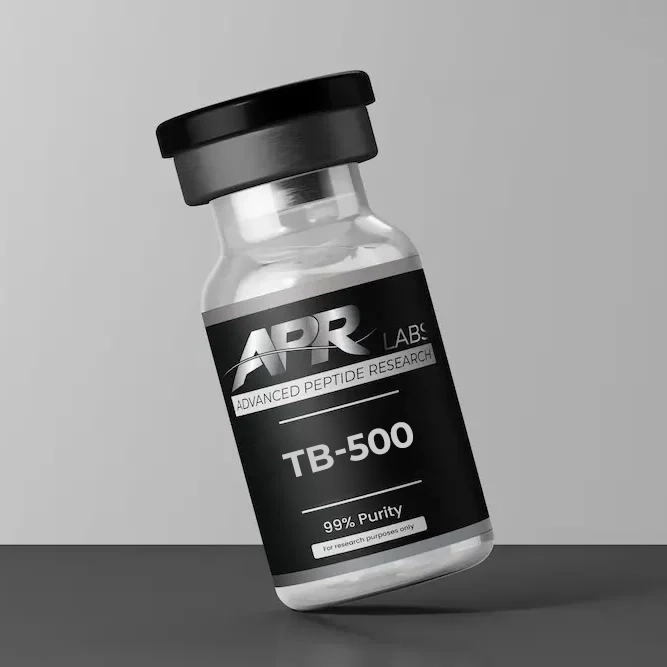
TB-500 (a synthetic version of the active fragment of Thymosin Beta-4 is one of the most discussed peptides in regenerative medicine as of 2026. While it has gained massive popularity in fitness and biohacking circles for “super-healing,” the actual data is a mix of promising animal studies and a notable lack of large-scale human clinical trials.
Here is the breakdown of the benefits, mechanisms, and current data reports.
Key Reported Benefits
Research and user reports generally focus on four primary areas of regeneration:
- Accelerated Wound & Tissue Repair: TB-500 is most famous for its potential to speed up the healing of muscle tears, tendonitis, and ligament injuries. It promotes cell migration to the site of injury.
- Reduced Inflammation: It has been shown to downregulate pro-inflammatory cytokines, which may help with chronic joint pain and “stiffness” often associated with aging or intense training.
- Angiogenesis (New Blood Vessel Growth): By stimulating the growth of new capillaries, it improves blood flow to damaged areas (like tendons), which naturally have poor blood supply and heal slowly.
- Cardiovascular & Neurological Protection: Emerging preclinical data suggest it may protect heart tissue after a myocardial infarction (heart attack) and support neural plasticity.
The Science: How It Works
TB-500 works differently from growth hormones or steroids. Its primary mechanism is the regulation of Actin, a vital protein for cell structure and movement.
|
Mechanism
|
Biological Effect
|
|
Actin Sequestration
|
TB-500 binds to G-actin, facilitating cell motility. This allows “repair cells” to travel more easily to an injury site.
|
|
Upregulation of VEGF
|
It increases Vascular Endothelial Growth Factor, which triggers the formation of new blood vessels.
|
|
M2 Macrophage Polarization
|
It shifts the body’s immune response from a pro-inflammatory state (M1) to a pro-healing state (M2).
|
The “Data Gap”: Research vs. Reality
It is important to distinguish between Thymosin Beta-4 (TB4) and TB-500.
- TB4 is the full 43-amino acid peptide found naturally in the body. Most clinical trials (on eyes, skin, and heart) use this version.
- TB-500 is a shorter, synthetic 7-amino acid fragment (the “active link”) believed to carry the same healing properties but with better bioavailability.
Current Status of Data (May 2026):
- Human Trials: Very limited for TB-500 specifically. Most human data comes from Phase II trials of its parent molecule (TB4) for corneal healing and pressure ulcers, where it showed up to a 25-42% increase in healing rates compared to placebos.
- Animal Models: Extensive data in horses and rodents show significant success in tendon and muscle repair, which is why it became a staple in the equine racing industry before moving to human “off-label” use.