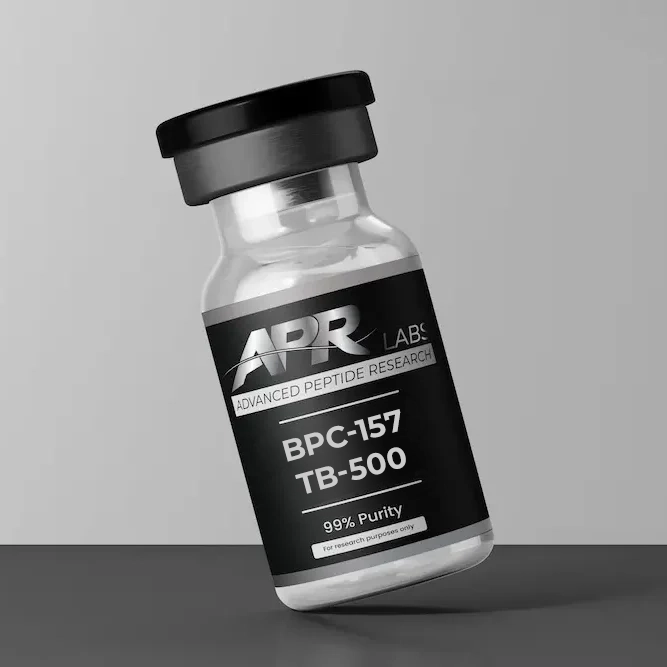
5MG/5MG (10MG) OR 10MG/10MG (20MG)
BPC-157 and TB-500—often referred to in clinical and athletic circles as the “Wolverine Stack”—is one of the most researched protocols for tissue regeneration.
While they are often used together, they function through distinct biological pathways. Below is the current data report on their benefits, mechanisms, and regulatory status.
Synergistic Mechanism of Action
The “synergy” of this combo stems from how they address different phases of the healing cycle.
|
Peptide
|
Primary Role
|
Biological Mechanism
|
|
BPC-157
|
The Architect
|
Upregulates growth hormone receptors; promotes angiogenesis (new blood vessel growth) and collagen organization.
|
|
TB-500
|
The Foreman
|
Upregulates actin (a protein critical for cell movement); mobilizes stem cells to the site of injury and reduces systemic inflammation.
|
How they work together: BPC-157 builds the “infrastructure” (blood vessels and collagen) at the local injury site, while TB-500 “recruits” the necessary cells (stem cells and fibroblasts) and allows them to travel through the body to that site more efficiently.
Reported Clinical Benefits
Based on recent preclinical data and emerging clinical observations in 2025–2026, the stack is primarily used for:
- Tendon and Ligament Repair: High efficacy in treating chronic tendinopathy (e.g., Achilles, Rotator Cuff, Tennis Elbow) where blood flow is naturally poor.
- Muscle Recovery: Accelerates repair of Grade I and II muscle tears and reduces the downtime associated with delayed onset muscle soreness (DOMS).
- Gastrointestinal Healing: BPC-157 specifically shows significant data in treating “Leaky Gut,” IBS, and NSAID-induced gastric ulcers.
- Systemic Anti-Inflammation: TB-500 acts as a potent modulator of inflammatory cytokines, helping to lower full-body systemic inflammation that can stall local healing.
- Cardiovascular & Neural Support: Emerging 2026 data suggests TB-500 may support heart tissue remodeling post-ischemia and provide neuroprotective effects.